When the Posting Came: A Transfer Notice and the Long Arithmetic of Service
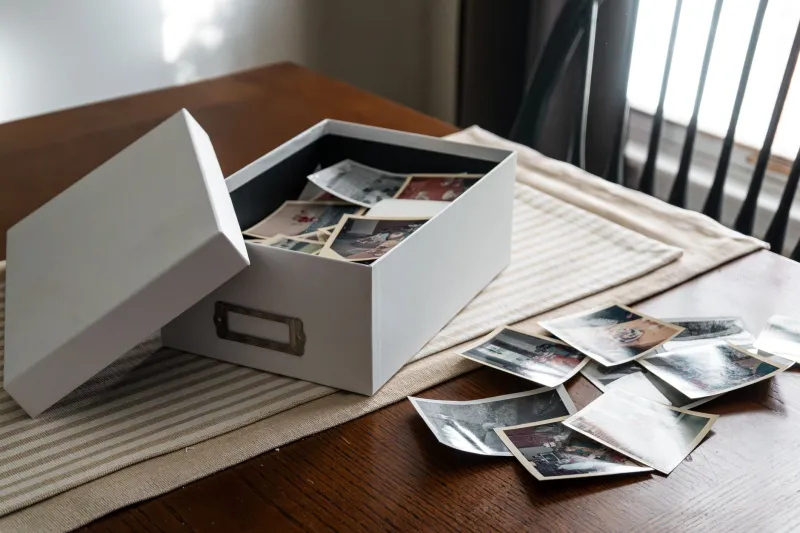
Archival documents rarely announce their emotional weight. A transfer notice is no exception. It arrives as a typed form, often with a date, a detachment name, a reporting instruction, and a line for dependants. It looks administrative because it is administrative. Yet for the family behind the badge, that sheet of paper could rearrange a household, a school year, a career, and a sense of belonging.
For a podcast-style feature on RCMP history, the transfer notice is a useful entry point precisely because it is ordinary. It sits in the same archival folders as operational reports and personnel records, but it speaks to a different kind of policing history: the history lived at kitchen tables, in packing crates, and in the waiting rooms of unfamiliar clinics. The document does not tell the whole story. It does, however, show where the story begins.
The Document as a Map of Domestic Labour
A transfer notice typically names the member, the posting, and the effective date. What it does not name is the unpaid work required to make the move happen. In many RCMP households, that work fell disproportionately to spouses. They managed school records, housing applications, medical appointments, and the practical arithmetic of leaving one community while preparing for another. They also absorbed the social cost: saying goodbye to neighbours, explaining the move to children, and rebuilding a support network in a place they had never seen.
This is not a minor footnote to policing history. It is part of the institution's operating reality. Contract policing takes members across provinces and territories, from large detachments to small ones, from highway patrol to isolated communities. Each move carries a professional rationale. Each move also carries a domestic consequence. The transfer notice, read as family history, makes that consequence visible without turning it into melodrama.
Oral histories with retired members and spouses often return to the same practical details. There was the trunk that doubled as a moving box and a bench. There was the folder of school records that travelled in the front seat. There was the wait for housing, the temporary address, the child who changed schools mid-term. These are not dramatic anecdotes, but they are the kind of details that reveal how service was sustained over time.
Communities on Both Sides of the Move
The notice also points to communities. A posting is not only a change for the member's family. It is a change for the detachment and for the town or city that gains a new officer and loses a familiar one. In smaller communities, an RCMP member may be a hockey coach, a Legion volunteer, a neighbour who checks on an elder, or the person who knows which back road floods in spring. The transfer notice does not record that local knowledge, but its arrival and departure dates mark where it was gained and lost.
This is one reason archival transfer records can be read alongside local newspapers, church bulletins, and sports league records. A family's departure may appear in a school newsletter as a simple goodbye. A new arrival may appear in a detachment newsletter as a brief introduction. These fragments do not always survive, but when they do, they help reconstruct the social texture of a posting. They remind us that RCMP history is not confined to major investigations or famous cases. It is also the accumulation of ordinary community relationships, interrupted and rebuilt by transfer.
What Families Remember, and What Records Leave Out
Retired members and spouses describe a range of experiences. Some remember transfers as adventure. Others remember exhaustion. Many remember both. The records tend to favour the official side of the move: dates, destinations, approvals, and allowances. They are less likely to record the emotional labor of a spouse who gave up a job, the child who left a friendship, or the member who carried guilt about asking a family to start again.
That gap is not a reason to dismiss the records. It is a reason to read them carefully. A transfer notice can be treated as a prompt rather than a conclusion. It tells us when a household moved. It does not tell us how the move was experienced. The oral history fills in some of that space, but it too is selective. Memory is shaped by later events, by reconciliation, and by the stories families tell about themselves. The most honest approach is to hold the document and the recollection together, without pretending either is complete.
Policy, Family, and the Kitchen Table
As of 2026, discussions about relocation, spousal employment, mental health, and family support continue in policing circles across Canada. The transfer notice is a reminder that these are not abstract policy questions. They are lived at the kitchen table. A change in relocation policy may look modest in a briefing note. For a family, it can mean the difference between a manageable move and a difficult one.
The archival notice also carries a quieter lesson about resilience. Families adapted because they had to. They built routines, made temporary friendships permanent, and learned to treat unfamiliar places as home for as long as the posting lasted. That resilience deserves to be recorded, but it should not be romanticized. Resilience is not the same as ease. It is often the shape that necessity takes.
A Small Document with a Long Reach
For listeners interested in law and order, the transfer notice offers a different angle on RCMP history. It shifts attention from the cases to the conditions that made the cases possible. It asks who packed the boxes, who enrolled the children, who learned the local roads, and who kept the household steady while the member reported for duty. The answers are not always in the file. But the file is where the questions begin.
A single posting notice cannot explain an institution. It can, however, illuminate a household. And in the history of the RCMP, households are not peripheral. They are part of the infrastructure of service. The transfer letter, creased and ordinary, is evidence of that. It records a move. It also records a family's willingness to make one.