Batons, Boxcars, and the Birth of a Playbook: Revisiting Regina, 1935
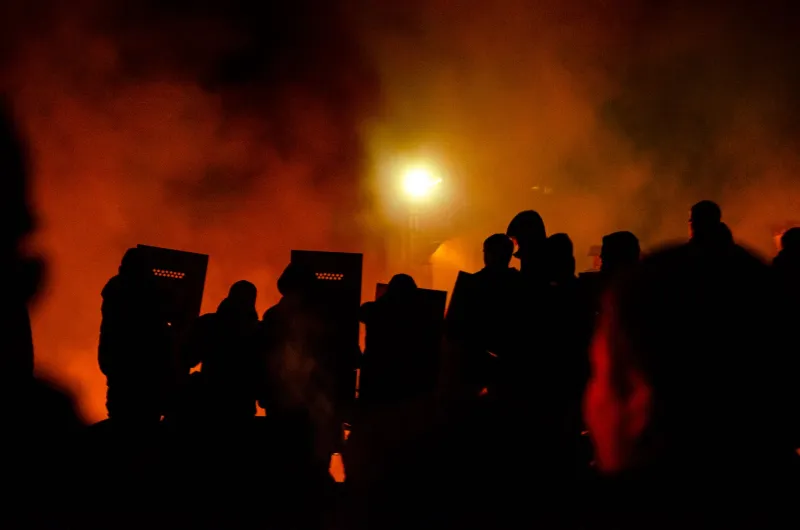
On the afternoon of 1 July 1935, Market Square in Regina become the stage for one of the most consequential collisions between Canadian protesters and federal authority in the twentieth century. The On-to-Ottawa Trek, a movement of unemployed men from British Columbia relief camps, had rolled east by freight train and then stalled in the Saskatchewan capital. What began as a protest encampment ended in a police raid, a riot, and a public reckoning that would follow the RCMP for decades.
For listeners of RCMP Podcast, Regina is not merely a dramatic episode from the Depression. It is a case file in how public order policing is planned, debated, and remembered. The raid itself was brief; its institutional afterlife has been much longer.
A Movement Stops in the Prairies
The trek grew out of the relief camp system that had absorbed thousands of single unemployed men during the Depression. Conditions in the camps were bleak, pay was minimal, and the federal government treated the camps as temporary containment rather than meaningful work. When camp workers in British Columbia organized and began riding east, they forced Ottawa to confront a political problem it had preferred to manage at a distance.
The trekkers reached Regina after federal authorities refused to let the movement proceed further. Prime Minister R.B. Bennett met a delegation, but the meeting produced no settlement. The protesters stayed, supported by local residents and organized labour, while police and government officials weighed their options. Regina became a waiting room for a confrontation that neither side could easily avoid.
The Raid and the Square
On 1 July, police moved against trek leaders during a public gathering in the city centre. RCMP officers and Regina city police were involved. Accounts of the precise sequence differ, and the confusion of the day is part of the historical record: crowds formed, arrests were attempted, batons were used, and the square became a scene of running clashes and injuries. Before order was restored, two people were dead and dozens more were hurt.
The dead included a police officer and a protester, a detail that captures the human cost on both sides of the line. For the RCMP, the raid was not simply a local policing action. It was a federal decision executed in a Prairie city, with national political stakes and an audience of newspapers already primed to interpret the event as a test of state authority.
The Commission and the Record
A federal royal commission later examined the trek, the relief camps, and the Regina disorder. Its report did not settle every disputed question, but it placed the raid within a broader indictment of Depression-era relief policy and the planning that had brought police and protesters into such close and volatile contact. The commission also helped ensure that Regina would be studied as a case in command, intelligence, and restraint.
For the RCMP, the commission was both a defence and a warning. It affirmed that police had acted under difficult conditions, but it also exposed the risks of using force against a movement with public sympathy and political momentum. The lesson was not that public order policing should be abandoned. It was that public order policing must be legible, coordinated, and defensible after the fact.
From Regina to the Modern Playbook
Regina became part of the institutional memory that shaped later crowd-control thinking. Modern public order policing in Canada places greater emphasis on negotiated management, liaison with organizers, clear command structures, proportionality, documentation, and after-action review. None of those practices can remove the tension between maintaining order and preserving the right to protest, but they create a framework for accountability that was less developed in 1935.
The RCMP's public image was also affected. The Mountie had long been presented as a symbol of calm authority on the frontier; Regina showed a different picture, of batons, dust, and political confrontation in an urban square. That contrast would return in later debates about the force's role in labour disputes, civil unrest, and national symbolism.
Why the File Still Matters
For a podcast devoted to Canadian policing history, Regina is valuable precisely because it resists a clean moral. It was a failure of policy and a failure of communication, but it was also a moment when individual officers and protesters faced choices under extreme pressure. The archives preserve testimony, newspaper accounts, and commission evidence, but they do not produce a single easy verdict.
In 2026, the questions raised by Regina remain familiar: who authorizes force, how is it explained, and what happens to public trust when the answer arrives too late? The playbook has changed since 1935. The stakes have not.


