A Sheet of Ice and a File Number: The Mountie Called to the Bonspiel
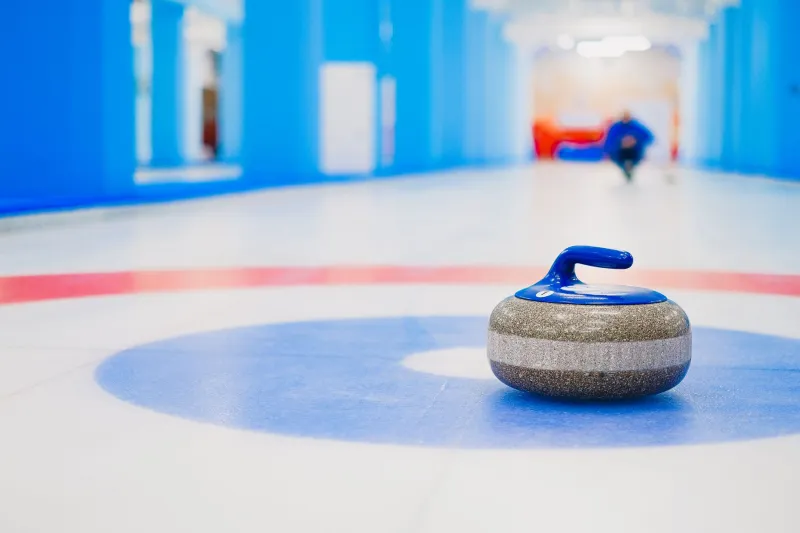
In much of Canada, the local rink is not simply a building with ice in it. It is a civic room: a place where volunteers sell coffee, where minor hockey parents trade rumours, where curling clubs hold bonspiels that double as fundraisers and reunions. It is also, occasionally, a place where someone calls the RCMP.
The call is rarely dramatic. A noise complaint after a late draw. A dispute over a parked truck blocking the rink entrance. A coach who will not leave the dressing-room corridor. A curling club member convinced that a rival has crossed a line that exists in etiquette but not in statute. The officer who attends is not there as an athlete or a fan. The officer is there as the neutral adult in a room full of people who know one another too well.
The Call That Is Not Quite a Crime
Dispatch records in rural detachments tend to flatten everything into categories. A possible disturbance at a curling club may be logged in language that sounds more urgent than the situation warrants. The officer knows the pattern. The complainant may be embarrassed. The subject of the complaint may be a long-serving club volunteer. Nobody wants a criminal record over a disagreement about sweeping, scoring, or whose turn it was to lock up.
This is the first lesson of the rink call: the law is a blunt instrument, and the rink has its own instruments. Curling especially carries a thick layer of etiquette. Hockey has its own code, less polite but equally real. The RCMP officer who understands that code can often resolve a call without laying a charge, without a formal warning, and without making anyone feel arrested by procedure.
Discretion Between the Hog Lines
Policing is often described as enforcement, but discretion is the quieter craft. At a curling rink, discretion may mean walking the sheet with the club president, listening to two versions of the same disputed end, and suggesting that the parties take the argument to the lounge rather than the parking lot. It may mean asking a loud group to turn down the music after the last draw. It may mean standing in a doorway until a heated conversation cools.
These are not glamorous tasks. They do not generate headlines. But they are part of the everyday work that shapes how a community sees its detachment. In a small town, the same officer who attends a rink complaint may later need to ask the same club members for help with a missing person search, a winter road closure, or a break-and-enter at the nearby hardware store. Trust is not built only in emergencies. It is built in the small, awkward moments when the police are called and nobody is quite sure why.
A Civic Room With Borrowed Authority
The rink also matters because it is one of the few places in rural Canada where people from different corners of a community gather without much ceremony. Farmers, teachers, retirees, teenagers working the canteen, and seasonal residents all share the same bleachers or lounge. Historians of Canadian community life have long noted how curling clubs and hockey arenas functioned as informal civic institutions, especially in the Prairies and Atlantic Canada, but also in the resource towns of British Columbia and northern Ontario.
The Mountie who walks into that room borrows a certain authority from the uniform, but the uniform does not settle arguments. If anything, it raises the stakes. People remember how they were spoken to. A firm but respectful intervention can become a story told for years. A heavy-handed one can become a grudge that outlasts the ice season.
What the Occurrence Report Cannot Hold
The paperwork will record little of this. An occurrence report may say that police attended, that the parties were separated, that no charges were laid, that the complainant was advised of options. The file will not capture the club president's relief, the embarrassed apology in the parking lot, or the fact that the officer stayed ten extra minutes to talk about the upcoming bonspiel.
This is why rink calls are useful to think about. They expose the gap between the written law and the lived peace. The Criminal Code does not have a section for poor sportsmanship. Municipal noise bylaws do not explain why a curling club feels like a second living room. The RCMP officer is asked to bridge that gap with judgment, patience, and a willingness to be slightly bored for the sake of a quieter community.
Why the Low-Stakes Call Still Matters
In 2026, rural detachments face familiar pressures: long distances, thin staffing, and public expectations that stretch from emergency response to social services. A call to a curling rink can feel like a distraction from more serious work. It also takes an officer off the road for an hour. Yet these calls are part of the social maintenance that keeps small places from turning every disagreement into a formal complaint.
The unwritten rules matter here. Most people do not want an arrest at the rink. They want someone to restore the evening. They want the noise to stop, the argument to end, the truck to move, the coach to go home. The Mountie who can do that without escalating the situation has done something valuable, even if the file closes with a single line.
A sheet of ice and a file number do not seem to belong together. But in Canadian policing, they often do. The rink is where a community practises being a community, and sometimes it needs a neutral referee. The Mountie called to the bonspiel is not there to curl. The job is to make sure the game, and the town, can carry on.