The Mouser on the Night Desk: What Detachment Pets Reveal About Police Work
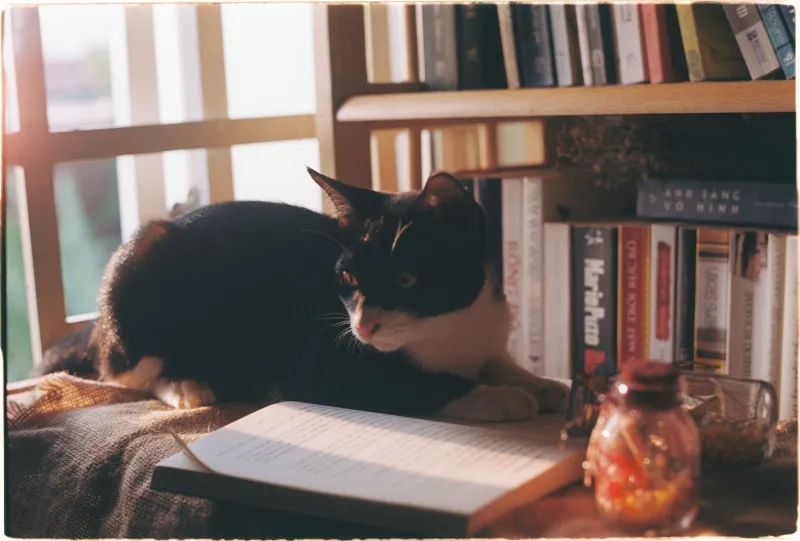
In the popular imagination, an RCMP detachment is a place of ordered desks, filing cabinets, and red serge kept carefully away from coffee spills. The reality has often included a cat asleep on the warmest piece of equipment in the radio room. That cat was not issued by headquarters. It rarely appeared in a policy manual. Yet in many small detachments, the station animal became as familiar as the duty roster—a living feature of the working day and, sometimes, of local memory.
A Mouser With a Badge Nearby
The earliest justifications for detachment animals were practical. Rural and northern posts were often drafty, attached to outbuildings, or set near grain elevators and stables. A cat that kept the radio room free of mice was performing a service no one had to write into a memo. Dogs, too, might serve as early warning systems or simply as company on a long night shift. In photographs from mid-century detachments, animals appear at the edges of official life: a cat curled on a clerk’s desk, a dog lying beside a stove, a horse standing patiently while a member adjusts tack.
These images can look sentimental to modern eyes. They were also records of utility. A station pet earned its place by being useful, or at least by not being disruptive. The cat that caught mice and ignored the telephone was tolerated. The dog that barked at every arriving citizen was a problem. The horse with opinions about standing still during inspection was a story retold for decades.
The Morale File
Policing culture has long carried an informal “morale file”—the accumulated small practices that keep a workplace human. Station animals belong in that file. A detachment can be a lonely place, especially in communities where members are posted far from family and where shift work fragments ordinary social life. An animal does not care about rank. It does not review a file or question a decision. It asks for food, warmth, and consistency, and in doing so imposes a small routine on a job that otherwise runs on unpredictability.
Retired members often describe the station cat less as a pet than as a colleague of limited duties. Someone fed it. Someone let it out. Someone noticed when it was ill. These small responsibilities created informal bonds among people who might otherwise interact only through operational tasks. In an office where authority is formal and hierarchy is visible, a cat on the counter can soften the room without undermining the work.
That softening matters. Community policing depends on repeat encounters—people coming in to report a theft, ask for a criminal record check, or seek help after a collision. A station animal can make those encounters less intimidating, particularly for children or elderly residents. It offers a neutral subject for conversation. It gives a frightened person something else to look at. It signals that the detachment is also a place where ordinary life continues.
When the Pet Becomes a Problem
None of this is simple. Unofficial animals create real complications. Allergies, liability, cleanliness, feeding schedules, and care during transfers all become questions without easy answers. What happens when the member who has been feeding the cat is posted elsewhere? Who pays for veterinary care? What if a citizen is afraid of dogs or a child is scratched? These are not abstract concerns, and detachments have handled them in different ways over the decades—sometimes by formalizing the animal’s role, sometimes by quietly finding it a new home.
The tension between affection and professionalism is part of the story. An animal can humanize a station, but it can also blur boundaries. The detachment is a workplace, not a clubhouse. The fact that so many posts found a workable middle ground says something about the pragmatism of small-town policing: the ability to distinguish between an informality that helps and an informality that hinders.
Photographs and Oral Histories
Much of what we know about detachment animals comes from the margins of official records. A cat appears in the corner of a photograph taken to mark a retirement. A dog’s name is written on the back of a snapshot. A member’s oral history drifts from a serious case to a remembered pet because memory does not sort itself into policy categories.
These fragments are not trivial. They show how police work is embedded in domestic spaces and local rhythms. The detachment kitchen, the radio room, the front counter—these are not just backdrops to law enforcement. They are places where people spend long hours, form attachments, and negotiate the distance between authority and neighbourliness. An animal moving through those spaces leaves a trace of that negotiation.
What Listeners Remember
Listener-submitted memories add another layer. People recall the cat that slept on the filing cabinet, the dog that greeted them at the counter, or the horse that appeared in a local parade and then refused to leave the schoolyard. These stories are often told with warmth, but they also carry information about how a detachment was perceived. A station animal could be a mascot, a nuisance, a comfort, or all three at once.
For historians of policing, such recollections are useful precisely because they are unofficial. They record the texture of daily life rather than the formal language of service. They remind us that public trust is built in small encounters as well as large investigations. A child who remembers petting a detachment dog may grow up with a different mental image of police than one whose only contact was a traffic stop.
A Small Window on Trust
The detachment cat is not a policy solution. It is not a substitute for good leadership or community engagement. But it is a small, persistent reminder that police work happens among people—and sometimes among the animals those people bring into their working lives. In a country as vast and varied as Canada, with posts in cities, prairie towns, coastal villages, and remote northern communities, the unofficial animal is one of the few experiences that cuts across geography.
That is why these stories endure. They are not just cute. They are records of loneliness and routine, of practical arrangements and unspoken care. They show a workplace trying to remain human while carrying out a job that often demands distance. And they show a community watching—sometimes through a window, sometimes from the counter—to see whether the people behind the badge can be trusted with ordinary things.
The cat on the night desk did not swear an oath. It did not carry a warrant card. But in its own small way, it shared the watch.